




Distribution transformers step medium voltage down to the low voltage used by buildings and equipment. Both oil-immersed and dry-type units are built to IEC 60076 (IEC 60076-11 for dry-type), but they behave differently in service.
Oil-immersed distribution transformers
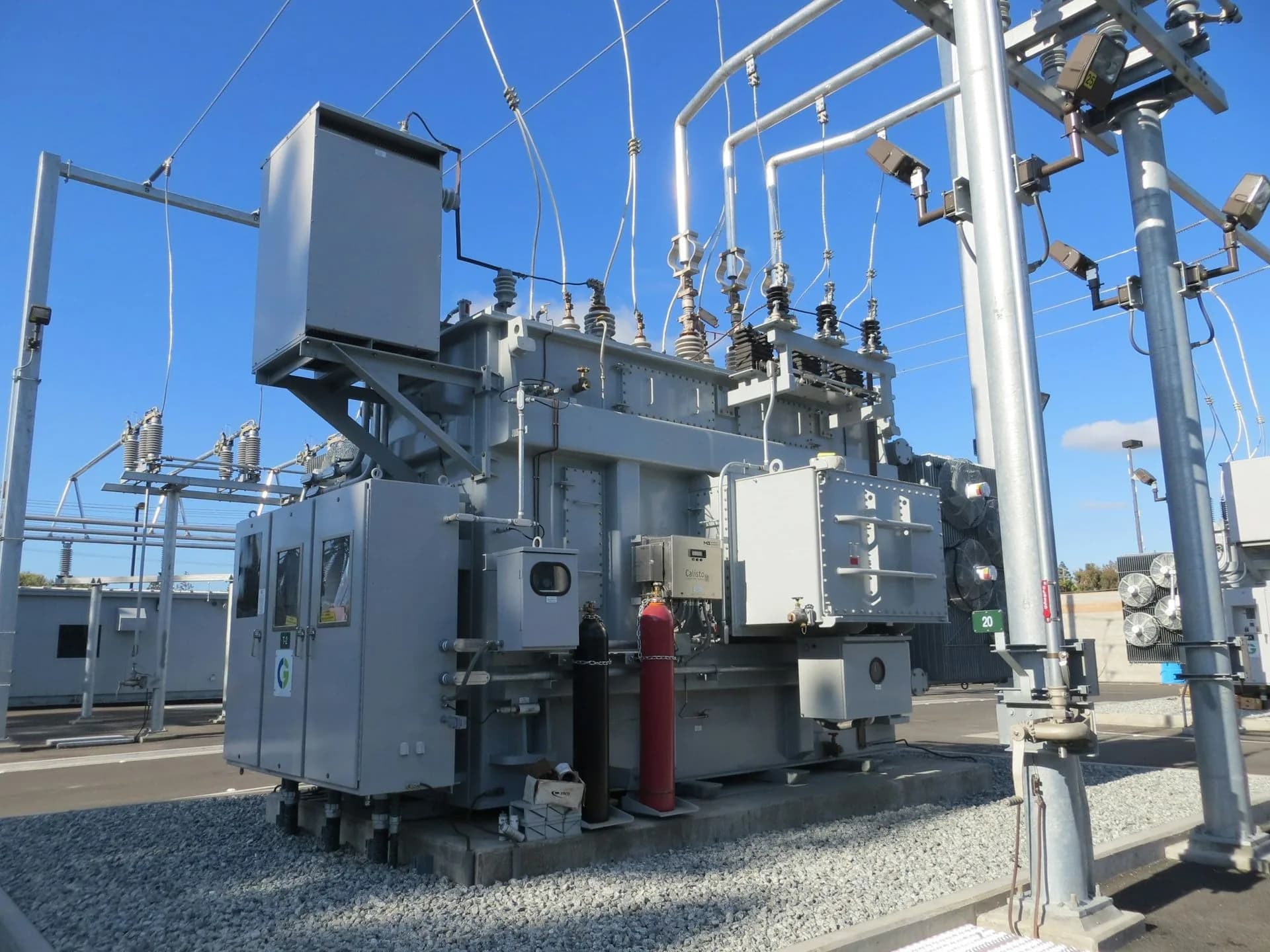
- Power range 25 kVA – 2500 kVA, primary voltage 3.3 – 36 kV
- High-grade mineral oil for insulation and cooling (ONAN / ONAF)
- Expansion tank design for thermal performance and easier maintenance
- Well suited to outdoor installations, compact substations and utility networks
Dry-type (cast resin) transformers
- Power range 100 kVA – 3150 kVA, primary voltage 3.3 – 36 kV
- Cast-resin windings: moisture-resistant, insulation class F or H, AN / AF cooling
- High fire safety and low maintenance, with no oil to contain
- Preferred indoors: hospitals, malls, hotels, metro and tunnels, wind and solar facilities
How to decide
If the transformer will be installed indoors, close to people or in a fire-sensitive area, dry-type is usually the safer choice. For outdoor substations and utility networks, oil-immersed units remain a proven and economical solution. In both cases, check rated power, primary voltage, cooling type and protection class (IP00 – IP23 options) against your project.